General

General
A property can sit for months online and still be invisible.
That usually happens for simple reasons: the asking price is off, the photos undersell the space, the listing leaves out key details, or inquiries go unanswered for too long. A strong guide to selling property online starts with one idea - buyers are comparing your listing against dozens of others in minutes, not days. If your property does not look credible, complete, and easy to act on, they move on.
Selling online is not just about posting an ad. It is about presenting the property clearly, reaching the right audience, and managing interest with speed. Whether you are selling an apartment in Beirut, a house outside the city, a plot of land, or a commercial unit, the digital process rewards preparation.
Online buyers behave differently from walk-in buyers. They shortlist visually, compare prices quickly, and expect enough detail to decide whether a visit is worth their time. That means your listing has to do more of the early selling work.
Good online performance usually comes down to four things: accurate pricing, strong visuals, complete information, and fast follow-up. If one is weak, the others have to work harder. A beautifully photographed property will still struggle if it is overpriced. A fairly priced property can still lose momentum if the description is vague or the contact experience feels slow.
This is why the best approach is not to think of your listing as a single post. Think of it as a digital storefront. Every element shapes trust.
Most sellers want to test the market with a higher number. Sometimes that works if the property is rare, recently renovated, or in a location with very limited supply. More often, it slows the sale.
When a property launches too high, it gets early views but fewer serious inquiries. Then it sits. After that, buyers start to assume something is wrong, even if the issue is only price. A later reduction can help, but by then you may have lost the strongest first-wave interest.
A better move is to study current comparable listings, not just old asking prices or neighbor opinions. Compare location, building age, finish level, floor, parking, generator access, view, outdoor space, and whether the property is move-in ready. In markets with inconsistent pricing, range matters more than one exact benchmark.
If speed matters, price near the competitive center of the market. If you can wait and the property has standout features, you may test the upper end - but only if the presentation supports it.
Online selling starts before the listing goes live. Buyers notice clutter, poor lighting, mismatched furniture, exposed cables, and unfinished repairs immediately. The camera is less forgiving than an in-person showing.
You do not need a full renovation to improve response. Small fixes usually matter more: repaint tired walls, replace broken fixtures, remove extra furniture, organize balconies, and clean windows. If the home feels brighter, larger, and more neutral, more buyers can picture themselves in it.
For occupied homes, aim for edited reality, not perfect emptiness. A space should look lived in enough to feel real but tidy enough to feel premium. For vacant units, careful staging can help, especially in larger apartments where scale is hard to judge from photos alone.
The best listing photos are not artistic for the sake of it. They are informative, bright, and honest. Buyers want to understand the layout, condition, and feel of the property without guessing.
Lead with the strongest image, usually the living area, exterior, terrace, or view. Then show the property in a logical order. Include every major room, bathrooms, kitchen, building entrance when relevant, parking if it adds value, and any standout feature such as storage, mountain views, sea views, or upgraded finishes.
Wide shots help, but over-editing hurts trust. If the photos make rooms look dramatically larger than they are, the in-person visit creates disappointment. Good visual presentation should increase confidence, not create suspicion.
If you have access to video or a 3D virtual tour, use it. These tools are especially valuable for overseas buyers, busy investors, and anyone narrowing options before scheduling visits. In a digital marketplace, better visuals do not just attract more attention. They filter for more serious interest.
A weak listing description wastes traffic. Buyers should not have to message you to learn basic facts.
Start with what the property is, where it is, and why it stands out. Then cover the fundamentals clearly: size, bedrooms, bathrooms, floor, parking, building condition, power or utility details if relevant, furnishing status, title status if appropriate, and any fees or service charges that affect ownership.
Avoid exaggerated language. Words like luxury, stunning, or rare only help if the property clearly supports them. Specifics are more convincing. Italian kitchen cabinetry, newly upgraded plumbing, double-glazed windows, private rooftop access, or easy highway access tell a buyer more than generic praise ever will.
A strong description also anticipates hesitation. If the unit is on a lower floor but has a large terrace, say so. If the building is older but the apartment is fully renovated, make that distinction clear. Online buyers appreciate transparency because it saves time.
Not every property platform performs the same way. Visibility matters, but so does quality of search, lead handling, and audience fit. A listing on a trusted property search platform does more than display inventory. It helps buyers filter correctly, compare options, save favorites, and reach out with intent.
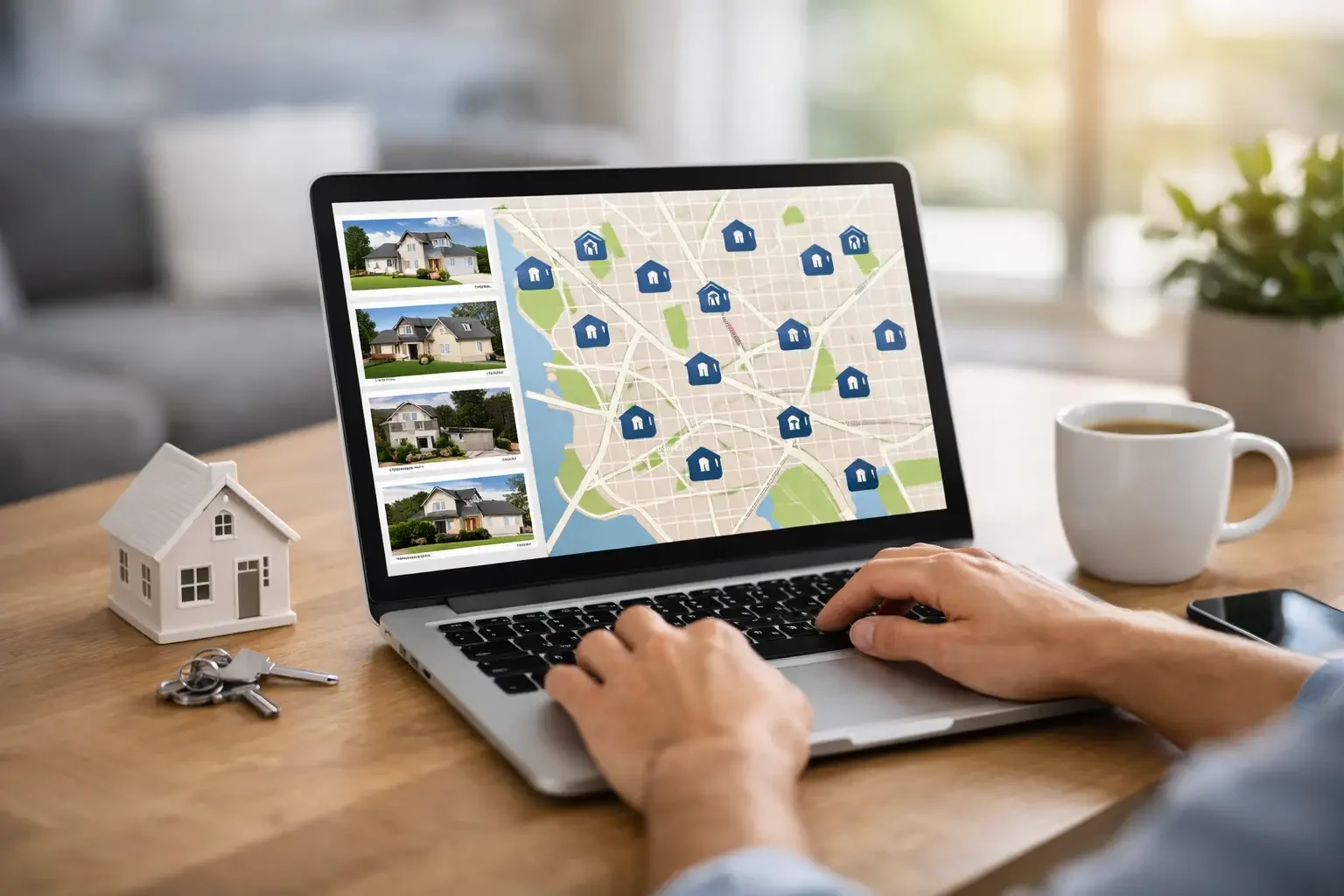
If you are marketing to a mixed audience that may include local buyers, expatriates, and investors, your listing needs to be discoverable through strong search structure and location context. Features like map-based search, listing management, and visual exploration can improve both reach and lead quality because buyers spend less time guessing and more time qualifying themselves.
That is one reason digital-first platforms such as DoorEast can help sellers present property more effectively in Lebanon. The benefit is not only exposure. It is the combination of listing distribution, search experience, and faster communication between supply and demand.
Online property inquiries cool off quickly. A delayed answer often means the buyer has already contacted five other listings, booked two viewings, and mentally moved on.
Fast response does not mean sending long messages. It means confirming availability, answering the first practical questions, and moving the buyer toward a next step. If the property is still available, offer viewing times. If they need more information first, provide it cleanly and directly.
It also helps to qualify without sounding defensive. Ask whether the buyer is looking for personal use or investment, whether financing is involved, and what timeline they are working with. That saves time on both sides.
If you are handling many inquiries, organize them. Keep notes on who asked what, who booked a visit, and who needs follow-up. Online selling gets messy when communication lives across scattered messages and missed calls.
Serious buyers often negotiate, especially in markets where pricing can vary widely between similar properties. That does not mean your asking price was wrong. It means buyers want room to test value.
The key is to know your floor before inquiries start. Decide which terms matter most: price, payment timing, deposit structure, inclusions, or closing speed. Sometimes the best deal is not the highest offer on paper. A slightly lower offer from a ready buyer can outperform a higher offer that drags out for weeks.
Online listings attract both informed buyers and casual browsers. Your job is to identify which is which early. A buyer asking detailed questions about title, building fees, utilities, and timeline is usually closer to action than one who only asks, "Last price?"
The biggest mistakes are usually avoidable. Sellers often use too few photos, hide flaws that become obvious later, write thin descriptions, or ignore how search filters work. Missing details such as exact area, parking, or property type can stop the listing from appearing in the right buyer searches.
Another common problem is changing the story too often. If the price, contact point, or property details shift repeatedly, trust drops. Consistency matters.
There is also a trade-off between volume and precision. More exposure sounds good, but unstructured exposure can bring low-quality inquiries that waste time. Better targeting usually produces better outcomes than broad but messy visibility.
The strongest listings make it easy for buyers to understand the property, judge whether it fits, and take the next step quickly. That is what moves a property from being seen to being visited, and from being visited to being offered on.
If you treat your listing like an afterthought, the market usually does the same. But if you price with evidence, present the property well, write with clarity, and respond with speed, online selling becomes much more predictable.
A good sale often starts with a simple question: if a serious buyer saw this listing tonight, would they have enough confidence to contact you tomorrow?