
General
General
A property can be exceptional and still sit unnoticed if the listing is incomplete, unclear, or difficult to find. Knowing how to publish property listings is not simply about putting an address and a price online. It is about giving serious buyers and renters enough accurate information to take the next step with confidence.
For owners, agents, and agencies in Lebanon, a strong listing reduces repetitive calls, filters out poor-fit inquiries, and creates a better first impression before a viewing is ever scheduled. The goal is simple: make the right person stop scrolling, understand the opportunity, and contact you.
Searchers usually begin with practical filters, not property descriptions. They want to know whether the home fits their budget, location, size, and intended use. If those core details are missing or inaccurate, your listing may not appear in relevant searches or may attract inquiries from people who are not a match.
Before publishing, confirm the property type, whether it is for sale or rent, the exact area, price, size, number of bedrooms and bathrooms, floor level, parking availability, and furnishing status. For commercial properties, include the suitable use, floor plan details, visibility, access, and parking where relevant. For land, specify area, zoning information if available, road access, and whether utilities are nearby.
Price deserves particular care. A listing with no price can create friction, especially when comparable options are easy to browse. If the price is negotiable, state that clearly while still providing a realistic asking figure. For rentals, clarify whether the amount is monthly, annual, furnished, and whether common charges or other costs apply.
Accuracy is part of trust. Do not round up room counts, label a distant area as a more desirable neighborhood, or use outdated availability. A buyer who discovers a mismatch during a call is unlikely to become a serious lead.
Your title should identify the property, its location, and its strongest relevant feature. It does not need clever wording. It needs to help someone scanning dozens of results understand why this listing deserves attention.
Instead of writing “Great Opportunity,” write “Renovated 3-Bedroom Apartment for Sale in Achrafieh” or “Furnished Sea-View Apartment for Rent in Jounieh.” A commercial example could be “Ground-Floor Retail Space With Parking in Hamra.” These titles are specific, searchable, and useful.
Avoid filling titles with capital letters, excessive punctuation, or vague claims such as “best deal” and “must see.” The property itself should carry the appeal. If a feature matters, name it directly: terrace, garden, generator, mountain view, high floor, private entrance, or ready-to-move-in condition.
The first two lines of your description should answer the question a prospect is already asking: what is this property, where is it, and why should I consider it? Follow with the features that shape daily life, such as natural light, layout, outdoor space, building access, nearby services, or renovation quality.
Write as if you are preparing a buyer for a productive viewing. Describe the layout in a logical order and use short, concrete sentences. For example, explain whether the living and dining area opens onto a balcony, whether bedrooms are separated from entertaining spaces, or whether the kitchen has been recently updated.
A description should not hide drawbacks, either. A fourth-floor apartment without an elevator may suit someone prioritizing price or location, but it should be disclosed. Clear expectations save time for everyone and protect your reputation.
Photos often determine whether a listing earns a click. Dark, blurry, repetitive, or poorly framed images can make a well-priced property look less appealing than it is. You do not need an elaborate production, but you do need a clean, honest visual presentation.
Prepare the space before shooting. Open curtains, turn on lights where needed, remove personal clutter, and show each room at its usable scale. Take photos in daylight when possible. Start with the strongest exterior or main living-space image, then show the living room, kitchen, bedrooms, bathrooms, balconies, views, building entrance, parking, and any feature that adds value.
Do not use images that are years old, heavily edited, or taken from another unit in the building. If the furniture shown is not included, say so. For vacant properties, a simple floor plan can help viewers understand the layout when photos alone are not enough.
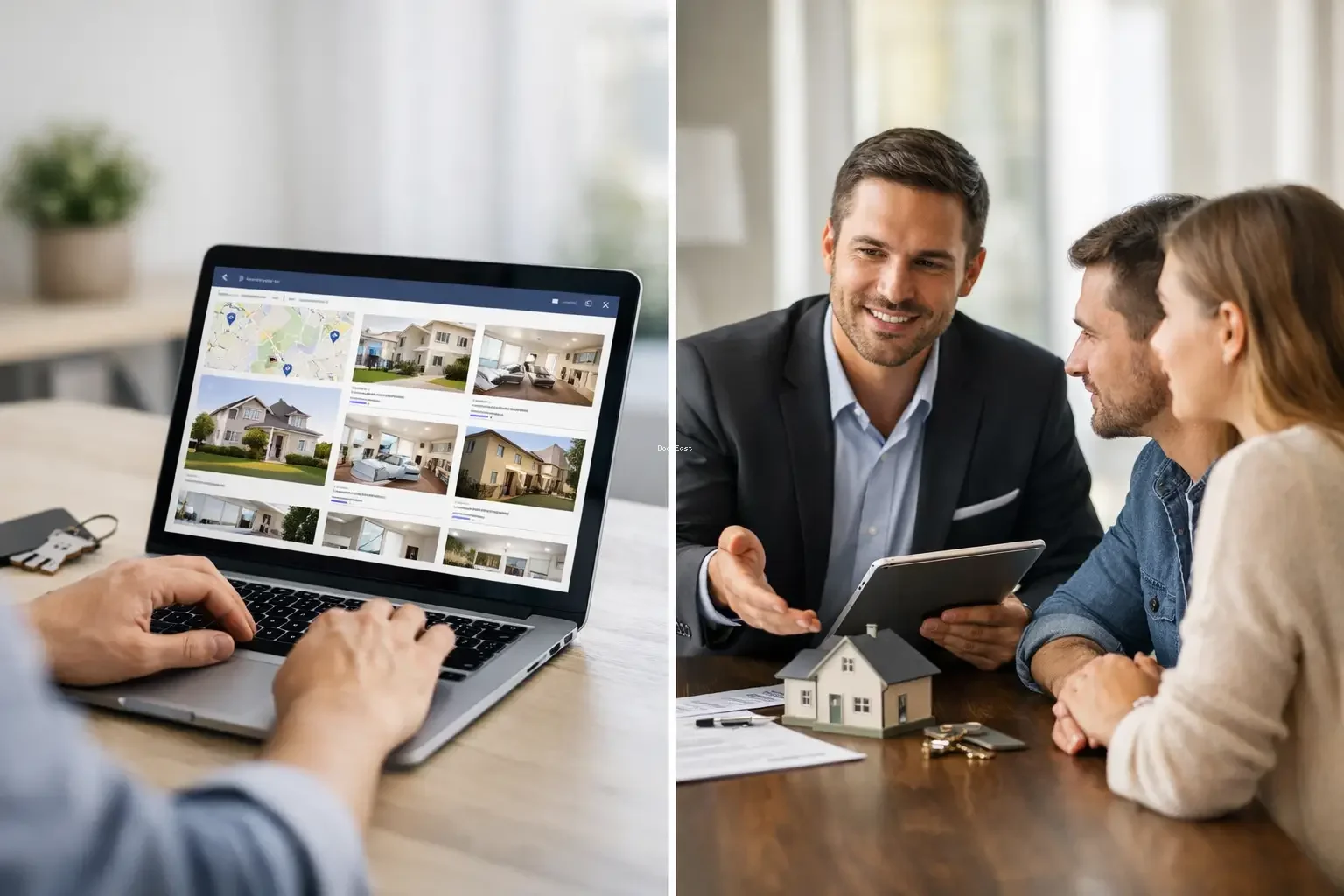
A 3D tour is especially useful for expatriates, investors, and busy professionals who cannot visit immediately. It gives serious prospects a better sense of flow and can reduce unnecessary viewings. On a platform such as DoorEast, visual tools and map-based discovery help listings work harder for people comparing options remotely or across multiple neighborhoods.
A listing only performs when it is easy to find. Select the most accurate category, property type, and transaction type. An apartment for rent should not be published as a house for sale simply to reach more people. Misclassification may increase views briefly, but it lowers inquiry quality and damages confidence.
Location should be precise without compromising safety. Use the correct neighborhood and area, then describe proximity in realistic terms. Mention nearby landmarks, schools, business districts, beaches, universities, or road connections only when they genuinely help a prospect understand the setting.
For privacy-sensitive properties, you may choose not to publish the exact building number or unit. That is reasonable. Still, provide enough location context for a buyer or renter to decide whether the area fits their needs. “Near Sassine Square” is more helpful than “Beirut area.”
A good listing can lose momentum when the contact process is unclear. Include the preferred way to reach you, keep notifications active, and be ready to answer basic questions about availability, payment terms, viewing times, and property condition.
Speed matters, but so does consistency. Prepare a short response that confirms the listing is available and asks one or two qualifying questions, such as desired move-in date, budget range, or financing status. This helps you prioritize serious prospects without making the conversation feel like an interrogation.
For agencies managing multiple properties, centralizing listings and inquiries is more effective than relying on scattered messages and spreadsheets. Assign clear ownership for each lead, update listing status promptly, and record feedback after viewings. If several people ask the same question, improve the listing rather than answering it manually every time.
Publishing is the start of the process, not the finish. Check whether the listing is receiving views, saves, chats, and qualified inquiries. A property with strong views but few messages may need a clearer price, stronger cover photo, or more useful description. A property with few views may be in the wrong category, missing filters, or competing with newer listings.
Refresh the listing when there is a meaningful change: a price adjustment, new photos, a renovation, updated availability, or a new feature worth highlighting. Do not repeatedly repost the same stale information. Searchers notice when a property has been circulating for months with no explanation.
If the property is no longer available, remove or mark it accordingly. Keeping inactive listings live creates frustration for home seekers and weakens trust in the marketplace.
The best property listings do more than collect views. They set expectations, communicate value, and make the first conversation easier for both sides. Publish with accurate details, useful visuals, a realistic price, and a clear next step, then keep the information current as the market responds.
When every listing is treated as a decision-making tool rather than an online advertisement, serious buyers and renters can move from search to viewing with far less friction.