Buying & Selling
Buying & Selling
Lebanon has endured one of the sharpest financial collapses
in modern history. Since 2019, its banking system has imploded, the national
currency has lost over 98% of its value, and inflation soared to a staggering
221% in 2023 before easing to about 45% in 2024.
Savings evaporated. Confidence in banks crumbled.

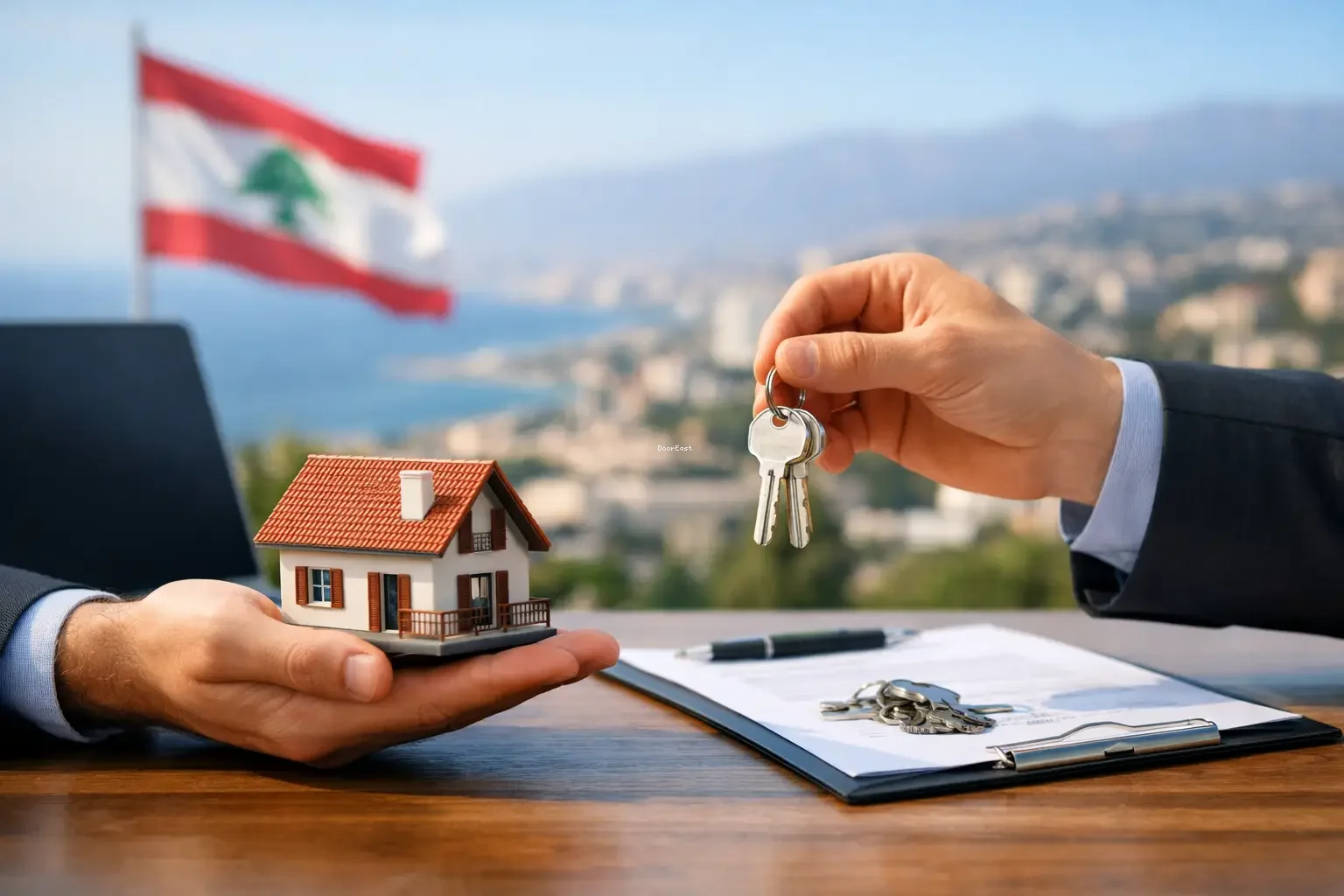
Yet one asset class stood firm: real estate in Lebanon.
Even during the toughest periods, apartments for sale in
Beirut and prime districts like Achrafieh and Downtown continued selling at
strong dollar prices, sometimes reaching $5,000–$6,000 per square meter.
Property didn’t just survive; it became a lifeline for Lebanese families
protecting their wealth.
So why has real estate in Lebanon remained the
country’s safest investment when everything else faltered?
Let’s explore the forces that keep this market resilient — and what that means for investors.
Lebanese investors turn to real estate for one clear reason:
it holds its value when cash doesn’t.
After 2019, the Lebanese pound (LBP) collapsed, and bank
deposits lost their real worth. Inflation skyrocketed — but real estate,
a tangible dollar-priced asset, remained more resilient than other assets.
Even when demand slowed, most owners in prime areas refused
to slash prices. Instead, they withdrew their properties, preventing a full
crash. This shows how apartments for sale in Lebanon acted like gold — a
trusted safe haven.
Key takeaway: Real estate offers Lebanese investors a
hedge against currency risk, inflation, and banking instability — much like
gold does elsewhere.
This perception isn’t just cultural. Data from the CAS shows
that while consumer prices exploded, property prices in prime areas stayed
stable. That resilience is why real estate remains a trusted safe haven.
Another key reason real estate has remained stable is the
shift to a cash-based, dollarized market.
Before 2019, many Lebanese purchased homes using bank
mortgages. After the banking collapse, those loans vanished almost overnight.
Today, most property sales are completed entirely in fresh U.S. dollars,
paid in cash or via external transfers.
This shift created two major stabilizing effects:
With almost no mortgages, there’s no risk of mass
foreclosures or forced sales during downturns — a common trigger of property
crashes elsewhere.
Buyers are typically well-capitalized families or diaspora
members purchasing for long-term security, not quick speculation. This makes
the market slower, but far more stable.

Some limited housing loans still exist (capped at around $100,000), but they are rare. Overall, Lebanon’s real estate market now functions like a mini cash economy, insulated from local banking shocks.
If cash is king, the Lebanese diaspora is the royal
treasury.
World Bank data shows Lebanon receives around $6.4 billion
in remittances each year, one of the highest ratios to GDP globally. Millions
of Lebanese living abroad send money home — often to buy property as long-term
investments or retirement homes.
Much of today’s demand comes from diaspora buyers, who often
target apartments for sale in Lebanon or houses for rent in Beirut.
They typically:

This steady inflow keeps the market alive even when the
local economy struggles.
Tip: When assessing demand, always consider the
diaspora — they remain the market’s strongest and most reliable buyers.
While demand has stayed resilient, supply has lagged behind.
After 2019, construction nearly stopped as developers lost
access to financing and costs soared. Building permits and cement deliveries
dropped to multi-decade lows.
Now, a cautious rebound is underway. Building permits rose about 16% year-on-year in early 2025, and cement deliveries are increasing from their lows — though slowly. This means available inventory, especially in prime locations, remains scarce.

Scarcity is one reason prices have held up.
There’s also a powerful new driver: reconstruction.
According to a World Bank assessment, Lebanon will need $11 billion in
reconstruction spending, with $6–8 billion expected from private sources — much
of it for housing and commercial real estate.
This sets the stage for a medium-term opportunity: buyers who invest now could benefit as rebuilding accelerates and property values rise.
Two recent episodes show how Lebanese real estate has defied
the broader collapse:
When banks froze accounts, many depositors used “lollars” to
buy houses across Lebanon. Sellers accepted them at discounts to repay loans.
This created a surge in mid-range apartment sales.
Solidere, which manages Downtown, saw a dramatic jump in
land sales in 2020–2021 as wealthy Lebanese converted bank deposits into real
estate.
While banks imposed capital controls, Solidere sold prime
plots at thousands of dollars per square meter — proving that high-end property
retained its appeal even in a systemic crisis.
These cases highlight a core truth: when confidence in the
financial system collapses, real estate becomes the default “safe box” for
Lebanese capital.
No investment is risk-free — and real estate is no
exception. It’s important to stay realistic about the downsides.
Real estate can take time to sell, especially at target
prices. In a cash market, buyers are selective, and transactions are slower.
Lebanon’s political environment remains unstable, and
property registration can be slow. While reforms (like the 2025 banking secrecy
law) are underway, progress is gradual.
There’s no unified MLS (multiple listing system), so price
transparency is weak. Similar units can be listed at very different prices,
making it difficult for buyers to know a property’s true market value.
However, these risks are frictional, not systemic. There’s
little leverage in the system, which makes sudden crashes unlikely. And
consistent diaspora demand cushions downturns.
In short, real estate has hurdles — but not fragility.
If you’re thinking about entering the market, approach real
estate as a wealth-preservation strategy, not a quick-flip play. Here’s
how to do it safely:

Always work with both a licensed broker and a real
estate lawyer to protect your investment.
Lebanon’s financial collapse shattered trust in banks,
currency, and institutions.
But one pillar held: real estate.
It survived not by chance, but because it offers what no
bank account or stock can in Lebanon: tangible value, dollar pricing, low
leverage, and resilient demand.
Even as inflation ravaged savings and capital controls
locked people out of their deposits, real estate preserved wealth — and
provided stability when nothing else could.
As Lebanon rebuilds, it’s worth asking:
In a country where trust is scarce, could real estate be the
one place to rebuild it?
If you’re ready to explore this resilient market, start by
researching neighborhoods, comparing USD prices, and consulting trusted
professionals.
One of the biggest pain points for buyers and investors in
Lebanon is price transparency — the same property can appear with
multiple prices across different platforms.
DoorEast addresses this challenge head-on. Every listing on the platform goes through manual verification to ensure it’s real, accurate, and updated. Duplicates are removed, and agents are vetted before publishing.

With its interactive map and advanced filters, users
can instantly compare apartments for sale in Beirut, houses in Keserwan, or
rentals across Lebanon. The result is a smarter, data-driven search
experience that saves time and builds trust.
Whether you’re a buyer, seller, or agency, DoorEast
brings clarity, consistency, and confidence to the Lebanese property
market.
👉 Start your property search onDoorEast today →