General
General
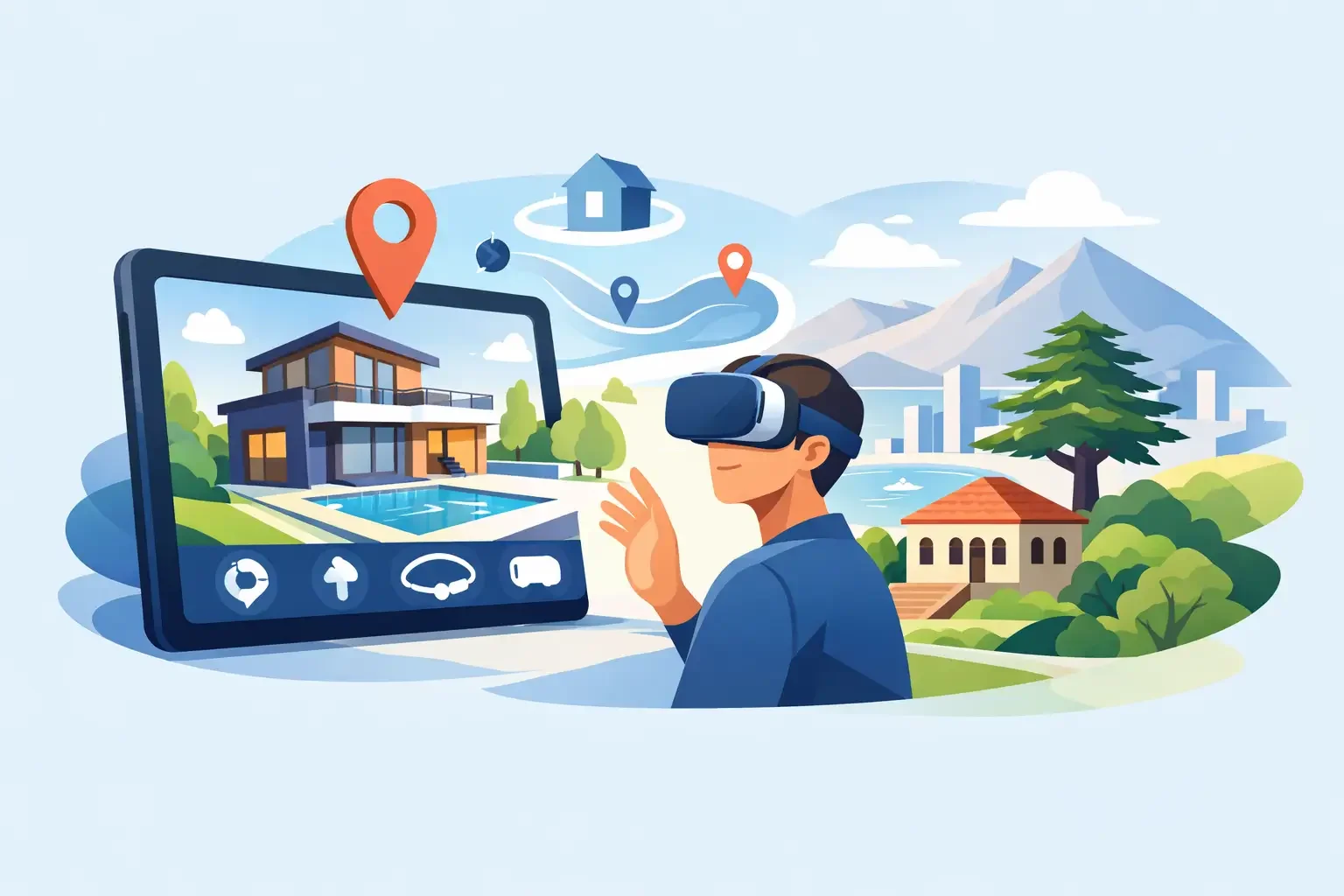
A listing gets one chance to hold attention. In Lebanon’s property market, where buyers may be overseas, renters want quick comparisons, and agents are managing constant back-and-forth, static photos often leave too many questions unanswered. That is where 3d virtual tour real estate lebanon becomes more than a visual extra. It becomes a practical tool for faster decisions.
For buyers and renters, a 3D tour reduces guesswork. For sellers, landlords, and agencies, it filters curiosity from genuine intent. Instead of relying on ten photo angles and a floor plan that may or may not tell the full story, people can move through a property at their own pace and understand how rooms connect, how natural light feels, and whether the layout fits real life.
Lebanon’s real estate market has always depended heavily on relationships, calls, and in-person coordination. That still matters, but expectations have changed. People want to shortlist properties before scheduling visits. They want to compare homes after business hours. They want enough clarity to know whether a viewing is worth the drive.
A 3D virtual tour supports that shift. It gives local buyers a better first screening process, and it gives expatriates and overseas investors a way to assess opportunities without waiting to travel. In a market where distance, traffic, timing, and coordination can slow everything down, a digital-first viewing experience saves real time.
This is especially useful in Lebanon because inventory can vary widely even within the same neighborhood. Two apartments in the same area and price range may feel completely different once you understand layout, ceiling height, circulation, and room proportions. Photos alone rarely capture that well.
Good photography still matters. It creates the first impression and draws clicks. But photos are selective by nature. They frame the best corners, compress depth, and can make it hard to understand how one space leads into another.
A 3D tour adds context. You are not just seeing a kitchen or a bedroom. You are seeing where they sit within the home. That changes how people evaluate a property.
For a family looking for a primary residence, flow matters. They may want to know if the living room connects smoothly to the dining area, whether bedrooms feel private, or whether the maid’s room is practical rather than symbolic. For a renter, the key question might be whether a studio actually feels open or just photographs well. For an investor, the focus might shift to layout efficiency and tenant appeal.
That is the advantage. A 3D tour does not replace photos. It answers the questions photos create.
The short answer is almost everyone involved in the transaction, but for different reasons.
Buyers benefit because they can eliminate poor matches early. Instead of booking five viewings and liking one, they can screen ten listings online and visit only the strongest options. That saves time and sharpens decision-making.
Renters benefit because rental searches often move fast. If someone is relocating for work, starting university, or changing neighborhoods, they need speed. A 3D tour gives them enough detail to act with more confidence.
Owners and landlords benefit because better-informed leads tend to be more serious. The person who requests a visit after completing a virtual walkthrough usually has a stronger understanding of the space and fewer surprises on arrival.
Agents and agencies benefit because tours improve lead quality. They also reduce repetitive explanations. Instead of answering basic layout questions one by one, agents can focus on pricing, terms, negotiation, and fit.
For developers and higher-value listings, the case is even stronger. Premium properties need presentation that supports the price point. A 3D tour helps communicate scale and design in a way flat media often cannot.
Not every listing gets the same return from a virtual tour. That is the trade-off.
A finished apartment, villa, office, or furnished rental usually benefits immediately because the user can understand the space clearly. Properties with strong layouts, renovated interiors, or distinctive design tend to perform well in immersive formats.
Vacant properties can still work, but results depend on condition and lighting. If a space is dark, unfinished, or visually cluttered, a 3D tour may expose those issues more directly than photos would. That is not necessarily bad, but it means preparation matters.
Land listings are a different case. A 3D interior tour is obviously less relevant there. For land, map tools, boundaries, zoning information, and area context often matter more than immersive indoor media.
Older properties also need judgment. If the value lies in location, plot size, or redevelopment potential rather than interior appeal, a full 3D tour may not be the first asset to prioritize. In those cases, the right media mix depends on the target buyer.
A 3D walkthrough is useful only if you know how to read it. The smartest users do more than admire finishes.
Start with movement. Ask whether the layout feels logical from entrance to living space to private rooms. Then look at room proportions. A bedroom may appear attractive, but does it realistically fit the furniture you need? The same goes for kitchens, balconies, and work-from-home corners.
Pay attention to light and sightlines. Does the apartment feel open or segmented? Are there awkward dead spaces? Does one room borrow light from another instead of receiving its own? These details affect everyday comfort more than polished surfaces do.
It also helps to watch for practical signals. Is storage visible or limited? Does the guest bathroom sit in a convenient place? Are circulation paths narrow? A virtual tour can reveal these answers before you ever schedule a visit.
A lot of wasted time in real estate comes from mismatch. The lead likes the photos but not the layout. The client asks for a viewing but has not really understood the property. The agent schedules around multiple calendars for a visit that ends in two minutes.
3D tours reduce that friction. They help clients self-qualify.
An agent who includes a tour can move the conversation forward more quickly. Instead of beginning with basic orientation, they can ask sharper questions. Did the client like the open-plan living area? Was the secondary bedroom large enough? Did the office setup work for their needs? That creates more productive discussions and better follow-up.
This also improves listing presentation across channels. When a property is marketed with stronger digital assets, it looks more credible and more current. In a market where trust and clarity matter, presentation is not just branding. It affects response quality.
Platforms built for smarter search, such as DoorEast, make this even more useful because 3D content works best when paired with clear listing details, map-based discovery, and direct communication tools. The tour draws interest, but the full experience helps convert it.
The biggest mistake is treating the tour as a substitute for listing quality. A property still needs accurate pricing, a clear description, updated details, and strong standard visuals. If the listing itself is incomplete, immersive media will not fix the problem.
Another mistake is poor preparation before capture. Unmade beds, personal clutter, harsh lighting, and unfinished maintenance issues become more obvious in a walkthrough format. A 3D tour tends to be honest, which is useful, but only if the property is presented properly.
There is also the risk of overpromising. A virtual tour is a strong screening tool, not a replacement for all physical visits. Buyers still need to assess building condition, street context, noise, parking access, and the feel of the neighborhood. The right expectation is better prequalification, not total replacement of in-person due diligence.
The rise of 3D virtual tour real estate Lebanon reflects a broader change. Property search is becoming more visual, more data-driven, and less dependent on fragmented information. Users expect to compare listings faster, ask better questions earlier, and spend less time chasing incomplete leads.
That does not remove the human side of the transaction. It makes the human side more effective. Agents spend less time explaining basics and more time advising. Buyers spend less time browsing blindly and more time focusing on real options. Owners get exposure that works harder.
The strongest listings now do more than appear online. They help people decide what to do next.
If you are browsing property in Lebanon, a good 3D tour is not just a nice feature to click through. It is one of the fastest ways to tell whether a listing deserves your attention at all.