General
General
A house purchase in Lebanon is rarely decided by the first viewing. The property may look right, but the neighborhood, legal file, payment terms, road access, and long-term resale potential all deserve the same attention. For anyone searching “buy house Lebanon,” the goal is not simply to find an available home. It is to make a well-informed move in a market where the details shape the value.
A clear process helps you compare options faster, ask better questions, and move when the right property appears. Start with your priorities, verify what matters, and keep every decision tied to your real budget and plans.
Before filtering listings, decide what the house needs to do for you. A primary residence, a weekend retreat, a family home, and an investment property can all require very different locations and layouts. Buyers often begin with the number of bedrooms, then realize that commute time, parking, outdoor space, water availability, or proximity to family matters more.
Write down your non-negotiables and your preferences. Non-negotiables may include a certain number of bedrooms, independent access, a backup power setup, a garden, or a maximum drive from Beirut. Preferences might include a sea view, a recently renovated kitchen, or a larger plot. This distinction prevents a beautiful listing from pulling you away from what you actually need.
Also decide whether you want a move-in-ready property or are willing to renovate. A house that needs work may offer more space or a stronger location for the price, but renovation budgets can change quickly when structural repairs, utilities, permits, or imported materials are involved. If your timeline is tight, a finished home may be the smarter choice even at a higher purchase price.
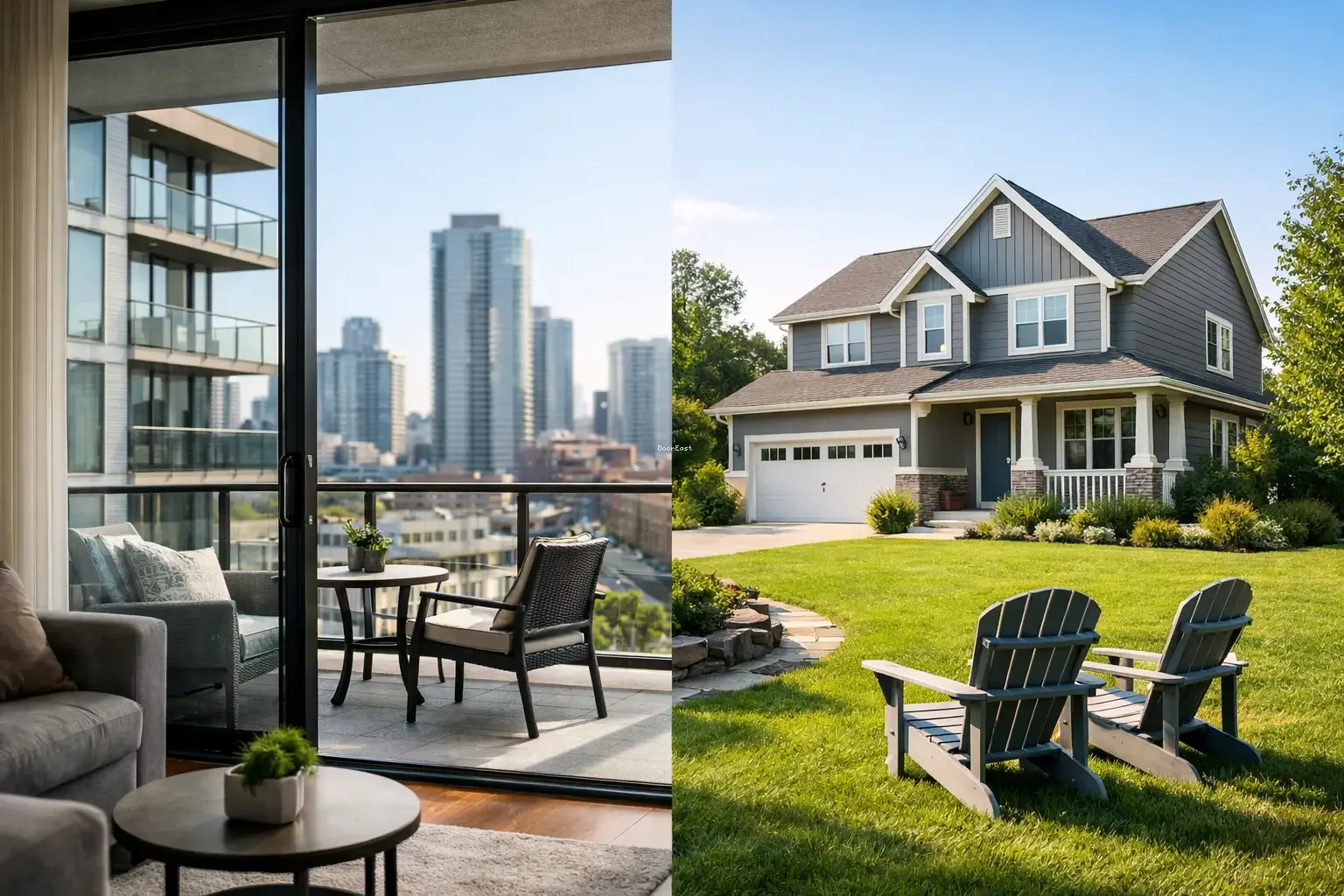
Lebanon offers very different buying experiences from one area to the next. A house in Metn may appeal to buyers who want access to Beirut while keeping a residential setting. Keserwan and Jbeil can suit buyers looking for coastal access, seasonal use, or a balance between city connections and a slower pace. Mountain areas may provide more land, cooler summers, and privacy, while requiring a closer look at winter access and year-round services.
There is no universally best location. It depends on how often you will use the property, where you work, who will live there, and what you expect from it in five or ten years. An investor may prioritize rental demand and resale liquidity. A family may put schools, road conditions, and daily convenience first. An expatriate may value easy airport access, security, and a home that can be maintained remotely.
Visit each shortlisted area at more than one time of day. Morning traffic, weekend activity, street noise, and parking can look completely different from a quiet midday viewing. Pay attention to the immediate surroundings, not just the view from the terrace. Nearby construction, steep access roads, unplanned development, and limited infrastructure can affect both daily life and future value.
Map-based search tools are useful at this stage because they let you draw the exact zone you are willing to consider rather than relying only on broad neighborhood labels. A few streets can make a meaningful difference in access, views, and pricing.
The listing price is the starting point, not the entire cost of ownership. When planning to buy a house in Lebanon, calculate what you can comfortably pay while accounting for registration-related costs, professional fees, potential repairs, furnishing, insurance, maintenance, and utility upgrades.
Ask early how the transaction will be structured and in which currency payments are expected. Market conditions and seller expectations can vary by property, so clarity at the beginning avoids wasted viewings and difficult negotiations later. If you are relying on financing, confirm the terms and timing before you become emotionally attached to a specific home.
Keep a contingency reserve, especially for older houses. A roof, drainage issue, retaining wall, generator, solar system, water tank, or heating system can become a major expense. A lower-priced property is not necessarily better value if it requires immediate work that stretches your budget beyond comfort.
Price comparison should also be practical. Compare homes with similar land size, condition, access, age, and location, rather than focusing only on price per square meter. A well-maintained house on a usable plot with reliable access may justify a higher figure than a larger property with difficult terrain or significant deferred maintenance.
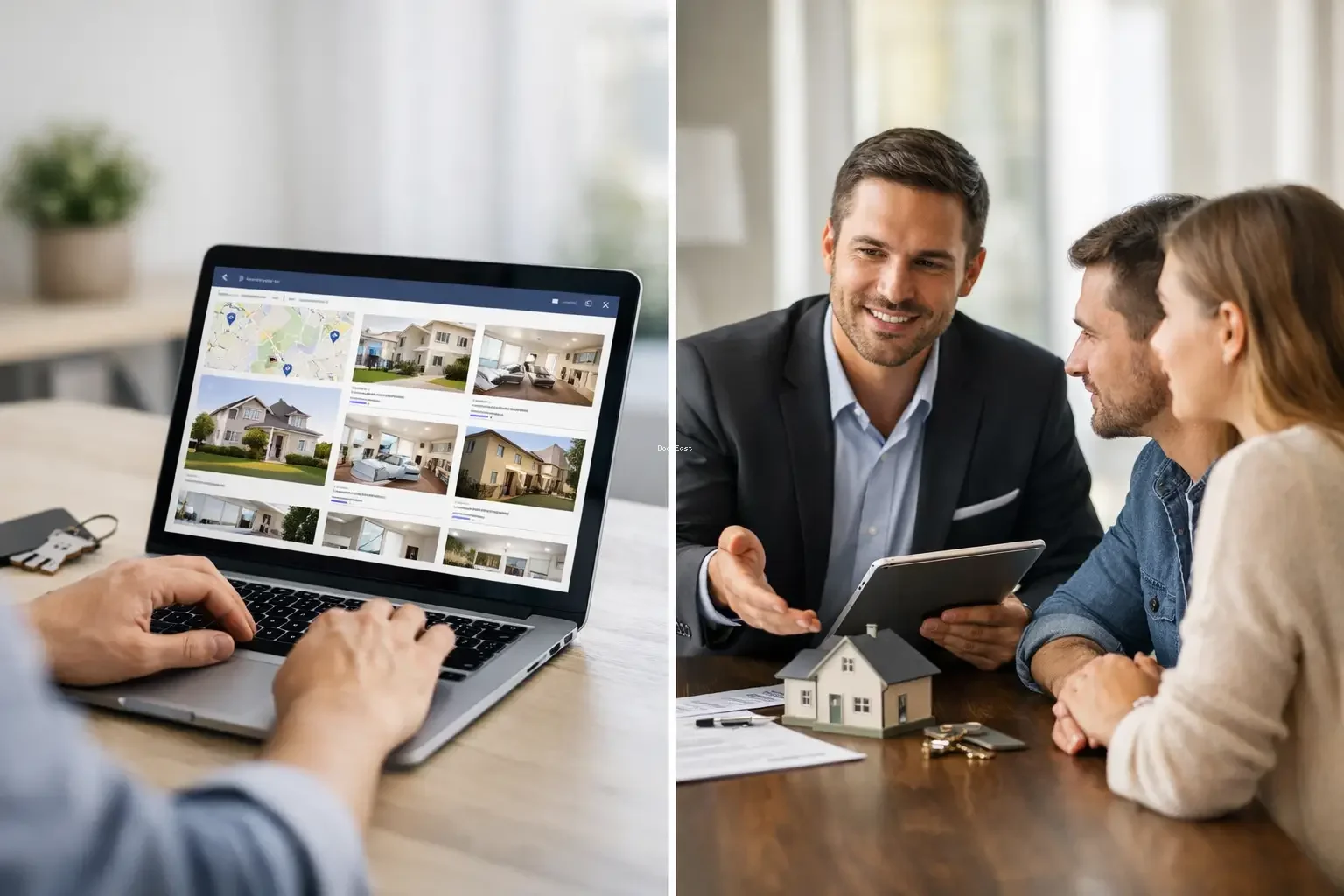
High-quality images and 3D tours can help you narrow your search, particularly if you are abroad or comparing several areas. They do not replace a detailed in-person visit. Walk through the home slowly and look beyond finishes that are easy to change.
Check natural light, ventilation, ceiling height, storage, privacy from neighboring properties, and the condition of windows and exterior walls. Turn on faucets, inspect bathrooms for signs of moisture, and ask how water, electricity, heating, cooling, and backup systems operate. If the property has land, assess drainage, retaining walls, boundary access, and how much of the outdoor area is genuinely usable.
For a serious candidate, independent technical input can be worthwhile. A qualified engineer or relevant professional can identify issues that may not be visible during a standard viewing. This is particularly valuable for older properties, homes that have been extended over time, or houses built on sloped land.
A property can be attractive, fairly priced, and still require careful legal review. Never treat the documentation stage as a formality. Before signing or transferring funds, work with an appropriately qualified legal professional who can review the ownership status and transaction requirements for your situation.
The review should address the title and ownership record, any mortgages or claims, cadastral information, permits and plans where relevant, and whether the property boundaries and built areas match what is being sold. If the house is part of a larger development or shared property arrangement, understand access rights, common expenses, and any restrictions that could affect your use of the home.
Buyers living abroad should be especially careful about representation and payment arrangements. Do not rely on verbal assurances when documents, authorizations, and timelines can be confirmed in writing. A transparent seller and experienced agent should be comfortable supporting a proper review process.
This step may feel slower than browsing listings, but it protects the decision you have worked hard to make. Good due diligence gives you the confidence to negotiate from facts rather than assumptions.
A knowledgeable local agent does more than arrange viewings. The right professional can explain area-specific pricing, identify comparable homes, coordinate access, raise practical questions, and help keep communication organized between buyer, seller, and legal representatives.
Choose an agent who listens to your brief instead of sending every available listing. You should receive direct answers about condition, location, pricing expectations, and known trade-offs. If a home has a limitation, such as narrow access, a shared driveway, or renovation needs, it is better to understand it upfront than discover it after making an offer.
When you are ready to negotiate, make your offer based on the property’s condition, comparable options, documentation status, and your ability to close. A realistic offer with clear terms is usually more effective than a low number without a credible plan. Flexibility on timing can matter to some sellers, while a clean, well-prepared process may matter more to others.
DoorEast helps buyers bring this process into one place, with searchable listings, saved properties, direct communication, agent matching, and visual tools that make comparisons easier. Use those tools to stay organized, but let verified information guide the final decision.
The best house is not always the newest, largest, or most photographed. It is the one that fits your life, your budget, and your confidence in the transaction. Keep your criteria clear, review each serious option carefully, and do not rush past questions that deserve answers. When a property meets the right practical and financial standards, you can move forward knowing the decision was built on more than a first impression.